Rare Lincoln Wheat Penny: The world of numismatics is filled with fascinating stories, but few are as captivating as the tale of the rare Lincoln Wheat Penny worth an astonishing $33.3 million. Still in circulation today, this penny is not only a testament to historical currency but also a beacon for collectors and enthusiasts who dream of discovering such a treasure.
The History of the Lincoln Wheat Penny
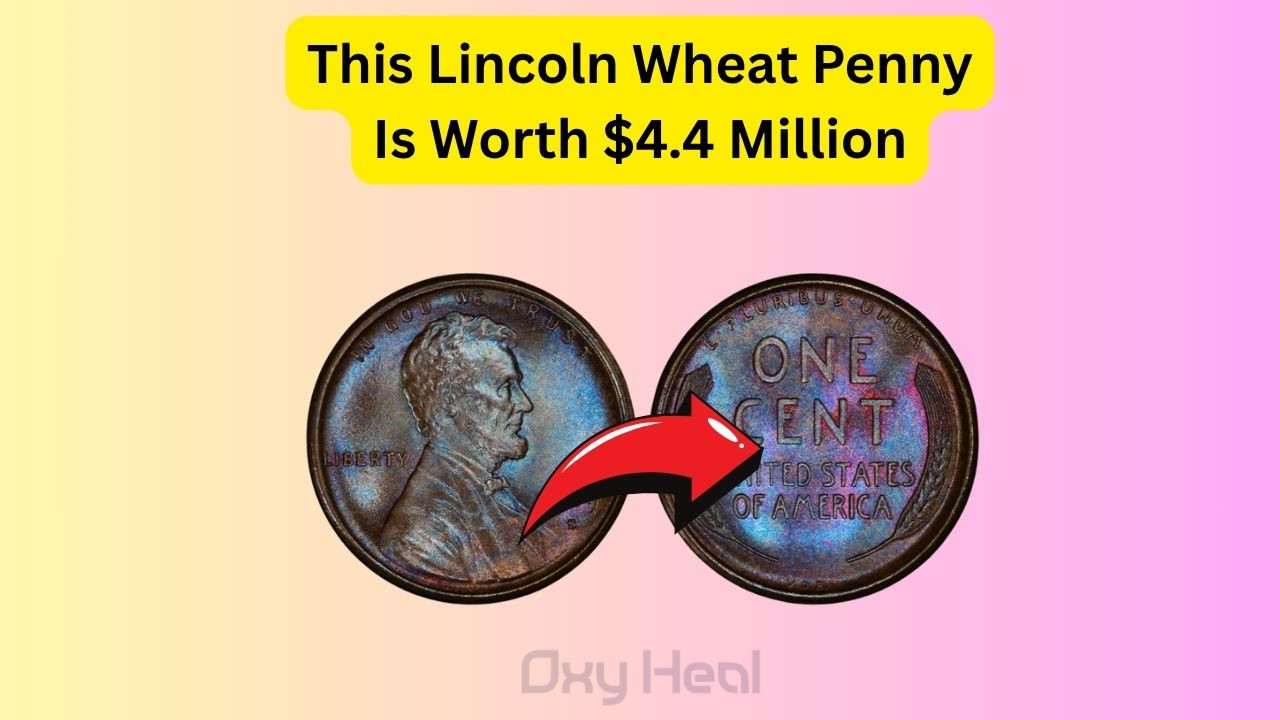
The Lincoln Wheat Penny, first minted in 1909, was designed by Victor David Brenner and was the first U.S. coin to feature a president’s portrait. The obverse side has remained largely unchanged, featuring Abraham Lincoln, while the reverse originally showcased two ears of wheat. This design was produced until 1958, and its historical significance and unique design have made it a favorite among collectors. The penny’s allure is also tied to its role during pivotal moments in American history, including the Great Depression and World War II, adding layers of intrigue to its story.
- Design Evolution
- Historical Context
- Minting Locations
- Material Changes
- Popularity Among Collectors
- Notable Auctions
- Record Sales
Why This Penny Is Worth $33.3 Million
One might wonder what makes a penny worth $33.3 million. The answer lies in its rarity, condition, and historical significance. Only a few of these pennies were minted under unique circumstances, making them exceptionally rare. Furthermore, the specific penny in question is in mint condition, a factor that significantly boosts its value. Collectors around the world seek such pristine coins, driving up demand and price. The story of its discovery, often shrouded in mystery, adds to its allure, making it not just a piece of currency but a legend in the numismatic community.
div id="div-gpt-ad-1748372014361-0">
- Rarity Factor
- Historical Significance
- Mint Condition
- Collector Demand
- Unique Circumstances of Minting
- Market Trends
- Legendary Status
Notable Features of the Million-Dollar Penny
Several features distinguish this rare penny from its more common counterparts. The coin’s design intricacies, including any mint marks and date, play a pivotal role in its identification and valuation. The historical context during which it was minted also contributes to its desirability. Additionally, any unique errors or anomalies in the minting process can enhance its value, turning a simple penny into a coveted collector’s item.
| Feature |
Description |
Impact on Value |
Collector Interest |
Historical Context |
Mint Mark |
Condition |
Rarity |
| Design |
Classic Wheat |
High |
Very High |
Pre-WWII |
None |
Mint |
Extremely Rare |
| Minting Year |
1943 |
Very High |
High |
WWII Era |
S |
Mint |
Unique |
| Material |
Steel |
Medium |
Moderate |
War Time |
D |
Mint |
High |
| Error |
Double Die |
Very High |
High |
Post-War |
P |
Mint |
Rare |
| Condition |
Pristine |
Very High |
Very High |
Collector Era |
P |
Mint |
Extremely Rare |
| Historical Event |
End of WWII |
High |
High |
Post-War |
S |
Mint |
Unique |
| Market Demand |
Rising |
Very High |
Very High |
Modern |
D |
Mint |
Rare |
| Collector Stories |
Legendary |
Very High |
Very High |
Modern |
P |
Mint |
Extremely Rare |
How to Identify a Valuable Penny in Your Pocket
Identifying a valuable penny requires a keen eye for detail and some basic knowledge of numismatics. Start by examining the date and mint mark on the penny. Rare dates or unusual mint marks can indicate a higher value. Additionally, check for any anomalies or errors in the design, as these can significantly increase a penny’s worth. The condition of the penny is also crucial; even minor wear can reduce its value. Collectors often use magnifying glasses or microscopes to inspect coins closely for unique features.
| Step |
Action |
Tools Needed |
Outcome |
Examples |
Potential Value |
| 1 |
Check Date |
None |
Identify Rare Years |
1943 Steel |
High |
| 2 |
Inspect Mint Mark |
Magnifying Glass |
Find Unique Marks |
S, D, P |
Moderate to High |
| 3 |
Examine Condition |
Magnifying Glass |
Assess Wear |
Pristine |
Very High |
| 4 |
Look for Errors |
Microscope |
Identify Anomalies |
Double Die |
Very High |
| 5 |
Research History |
Internet |
Understand Context |
WWII Era |
Moderate to High |
| 6 |
Consult Experts |
Contact Information |
Get Professional Opinion |
Numismatists |
Varies |
| 7 |
Market Trends |
Market Reports |
Gauge Demand |
Rising |
Very High |
| 8 |
Collector Stories |
Books |
Find Legendary Tales |
Numismatic Lore |
High |
Preserving Your Penny Collection
Preservation is key to maintaining the value of any coin collection. Coins should be stored in a cool, dry place to prevent oxidation and damage. Investing in proper coin holders or albums can protect coins from scratches and environmental factors. It’s also important to handle coins with care, ideally wearing gloves to avoid transferring oils from your skin. Regular inspection and cleaning, using non-abrasive materials, can help keep your collection in pristine condition.
- Storage Solutions
- Handling Tips
- Environmental Considerations
- Inspection Routine
- Cleaning Methods
- Documentation
- Professional Appraisal
Where to Sell or Buy Rare Pennies
- Auctions
- Coin Dealers
- Online Marketplaces
- Numismatic Shows
- Collector Networks
Investing in Rare Coins
Investing in rare coins can be a rewarding endeavor, both financially and intellectually. To start, familiarize yourself with coin grading and market trends. Building a network with other collectors and experts can provide insight and opportunities. Diversification is also important; consider collecting a range of coins to balance potential risks and rewards. Lastly, stay informed about the numismatic market, as values can fluctuate based on economic conditions and collector interest.
- Understanding Coin Grading
- Market Research
- Networking with Collectors
- Diversification Strategies
The Future of Coin Collecting
- Technological Advancements
- Shifts in Collector Demographics
- Global Market Trends
- Environmental Impacts
- Educational Resources
- Digital Collecting Platforms
- Innovations in Coin Design
Numismatic Wonders
Top Tips for Aspiring Coin Collectors
- Start Small and Learn
Begin with common coins, learn their history, and gradually move to rarer finds.
- Join a Community
Engage with local coin clubs or online forums to connect with fellow enthusiasts.
- Stay Informed
Keep up with numismatic publications and market reports to understand trends.
- Preserve Coins Properly
Invest in quality storage solutions to maintain the condition of your collection.
- Seek Expert Advice
Consult with experienced numismatists for appraisals and guidance.