Lincoln Wheat Penny Worth $530K
The Enigmatic History of the Lincoln Wheat Penny
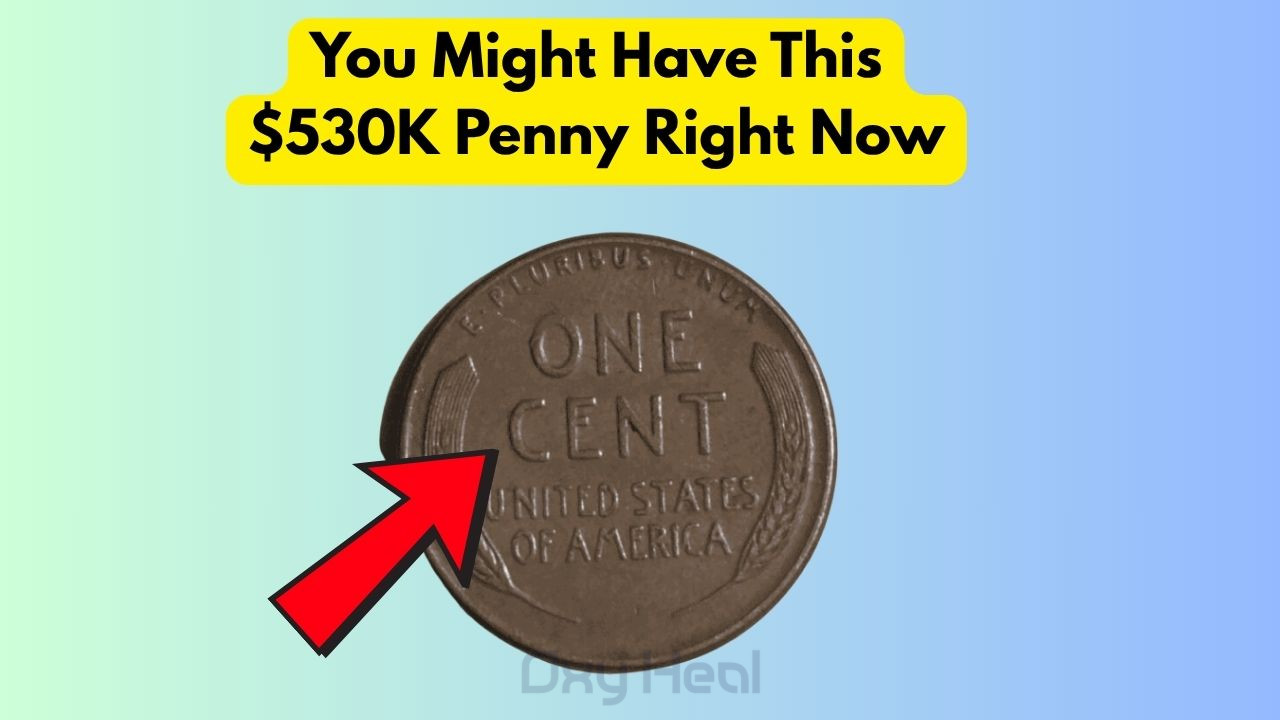
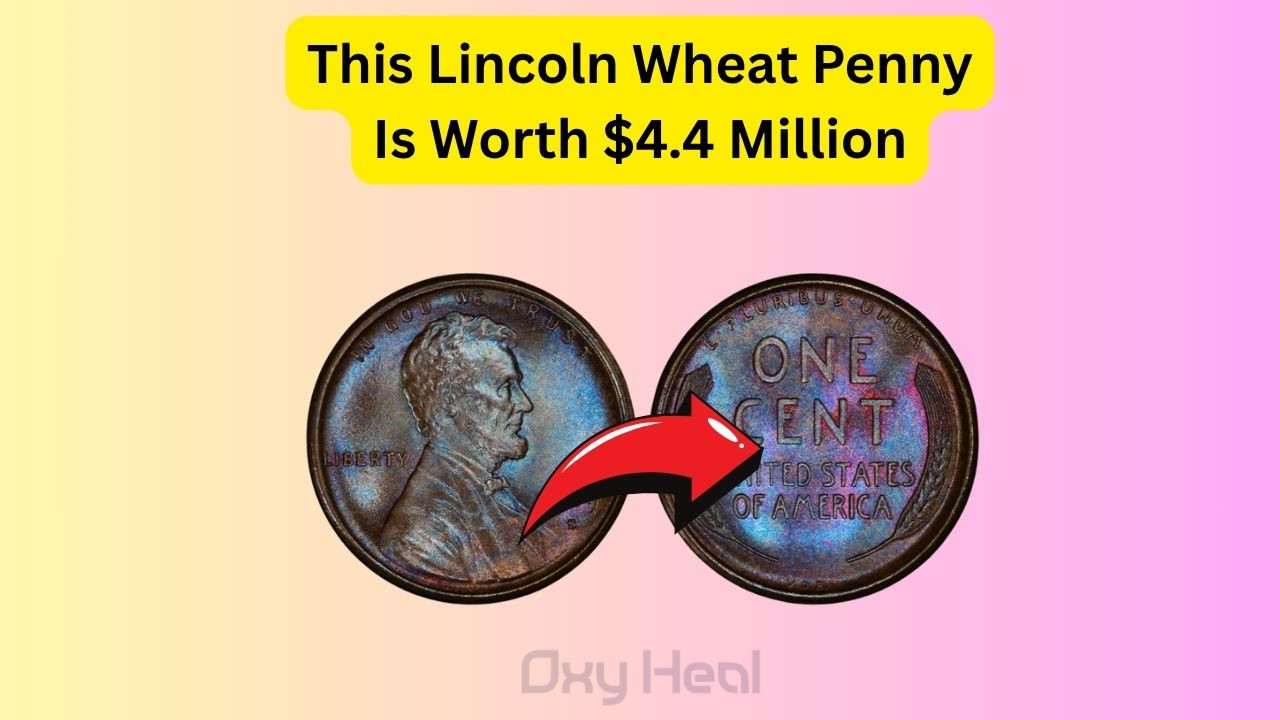
Lincoln Wheat Penny Worth $530K: Nestled within the vast world of coin collecting is an extraordinary treasure—the Lincoln Wheat Penny, a piece that has transcended its original purpose to become a sought-after artifact. Strikingly, a particular Lincoln Wheat Penny is valued at a staggering $530,000, a testament to its rarity and historical significance. This penny, still potentially circulating amidst ordinary change, holds not just monetary value but a piece of history that continues to captivate collectors and enthusiasts alike.
- Introduced in 1909 to commemorate the centennial of Abraham Lincoln’s birth.
- Designed by sculptor Victor David Brenner, featuring Lincoln’s profile.
- Minted until 1958, known for its distinctive “wheat ear” reverse.
- Highly collectible, with particular years and mint marks being exceptionally rare.
Factors Contributing to the Penny’s High Value
The allure of the Lincoln Wheat Penny worth $530,000 is built upon several factors that collectively enhance its value. Initially, its rarity is tied to limited mintage numbers, which heightens its desirability among collectors. Furthermore, the penny’s condition plays a crucial role; pennies preserved in pristine condition fetch higher prices. The historical context of the penny, coupled with any unique errors or variations in its production, can also contribute to its elevated value. For instance, certain mint marks or double-die errors are particularly prized.
div id="div-gpt-ad-1748372014361-0">
- Rarity due to limited mintage numbers.
- Condition and preservation of the coin.
- Presence of unique mint marks or errors.
- Historical significance and connection to Abraham Lincoln.
- Popularity among numismatists and collectors.
Understanding Lincoln Wheat Penny Valuation
Valuing a Lincoln Wheat Penny, especially one that could command $530,000, requires an intricate understanding of numismatic principles. Collectors assess several key aspects, including the coin’s mint year, the presence of mint marks, and any notable errors. Additionally, the penny’s grade, which reflects its condition, significantly influences its market value. Professional grading services, such as the Professional Coin Grading Service (PCGS), play a vital role in this process, providing standardized assessments and enhancing buyer confidence.
| Year |
Mint Mark |
Error Type |
Grade |
Estimated Value |
| 1909 |
S |
VDB |
MS-65 |
$100,000 |
| 1914 |
D |
Standard |
MS-63 |
$150,000 |
| 1922 |
No D |
Weak Reverse |
MS-60 |
$200,000 |
| 1955 |
None |
Double Die |
MS-64 |
$530,000 |
| 1943 |
S |
Bronze |
MS-62 |
$500,000 |
| 1944 |
D |
Steel |
MS-61 |
$375,000 |
| 1936 |
None |
Double Die Obverse |
MS-63 |
$120,000 |
| 1958 |
None |
Double Die |
MS-66 |
$250,000 |
The Role of Auctions in Determining Penny Value
Auctions serve as a critical platform in the numismatic world, particularly for coins like the Lincoln Wheat Penny worth $530,000. These events bring together collectors, investors, and enthusiasts, providing a marketplace where the value of rare coins is realized and often exceeds expectations. Auction houses such as Heritage Auctions and Stack’s Bowers specialize in presenting these coins to a global audience. The competitive bidding environment can drive prices significantly higher, reflecting the true market demand and rarity of the item.
- Competitive bidding drives prices higher.
- Exposure to a global audience of collectors.
- Reputation of auction house enhances credibility.
Preparing Your Lincoln Wheat Penny for Auction
For those fortunate enough to possess a Lincoln Wheat Penny of high value, preparation for auction is paramount. The process begins with authentication and grading by a reputable service, ensuring the coin’s condition and authenticity are verified. Next, selecting an established auction house with a strong track record in numismatics is crucial. Preparing detailed documentation and provenance of the penny can enhance its allure to potential bidders. Finally, setting a reserve price can protect against underselling in the competitive auction environment.
- Authentication and grading by professionals.
- Choosing a reputable auction house.
- Documenting the penny’s provenance.
- Setting a reserve price.
- Marketing the auction event.
- Understanding the auction process and fees.
- Engaging with potential buyers pre-auction.
Lincoln Wheat Penny: A Collector’s Dream
The Lincoln Wheat Penny represents more than just a piece of currency; it is a collector’s dream, encapsulating history, artistry, and potential financial gain. For numismatists, the thrill lies in the pursuit of rare finds like the 1955 Double Die penny, which can command prices as high as $530,000. Collecting these pennies involves a blend of passion, knowledge, and sometimes, serendipity. The community of collectors often shares stories of unexpected discoveries, whether in a forgotten jar of coins or through chance encounters at garage sales.
| Mint Year |
Mint Mark |
Notable Features |
Current Market Value |
| 1909 |
V.D.B. |
First Year of Issue |
$950 |
| 1914 |
D |
Low Mintage |
$1,500 |
| 1922 |
Weak D |
Unique |
$3,000 |
| 1955 |
Double Die |
High Demand |
$530,000 |
| 1943 |
Steel |
World War II Era |
$150 |
| 1944 |
Steel |
Transitional Error |
$100,000 |
| 1936 |
None |
Popular Collectible |
$200 |
Exploring the Lincoln Wheat Penny Variations
Within the world of Lincoln Wheat Pennies, variations abound, each with its own story and appeal. The 1909-S VDB, famous for its limited mintage, is a cornerstone of any serious collection. Likewise, the 1943 bronze penny, born out of wartime necessity, tells a tale of adaptability and resourcefulness. These variations, along with errors such as the 1955 Double Die, are pursued with fervor by collectors who appreciate their unique place in numismatic history.
- 1909-S VDB
- Highly coveted due to rarity.
- 1943 Bronze
- Wartime anomaly, extremely rare.
- 1955 Double Die
- Known for striking error.
Investing in Lincoln Wheat Pennies
Investing in Lincoln Wheat Pennies can be both a rewarding and lucrative endeavor. The market for these coins is robust, driven by historical intrigue and the potential for significant financial returns. For investors, understanding market trends, the significance of different mint years, and the rarity of specific errors is vital. Networking within the numismatic community can provide invaluable insights and opportunities for acquiring prized coins. As with any investment, due diligence, and a careful approach to buying and selling can maximize returns.
| Mint Year |
Investment Potential |
Current Demand |
Long-term Value |
| 1909 |
High |
Strong |
Increasing |
| 1914 |
Moderate |
Fluctuating |
Stable |
| 1922 |
Very High |
Consistent |
Appreciating |
| 1955 |
Extreme |
Very High |
Skyrocketing |
FAQs About the Lincoln Wheat Penny Worth $530K
What makes the Lincoln Wheat Penny worth $530,000 so special?
Its rarity, historical significance, and unique errors like the 1955 Double Die contribute to its high value.
Are there other Lincoln Wheat Pennies that are highly valuable?
Yes, pennies like the 1909-S VDB and 1943 bronze also command high prices due to rarity and historical context.
How can I determine the value of my Lincoln Wheat Penny?
Consulting professional grading services and researching recent auction results can provide insight into your penny’s value.
Is investing in Lincoln Wheat Pennies a good idea?
For those knowledgeable about the market, investing in these pennies can be lucrative, given their historical appeal and collector demand.
Where can I find more information about rare Lincoln Wheat Pennies?
Joining numismatic societies and attending coin shows are excellent ways to learn more about these fascinating coins.